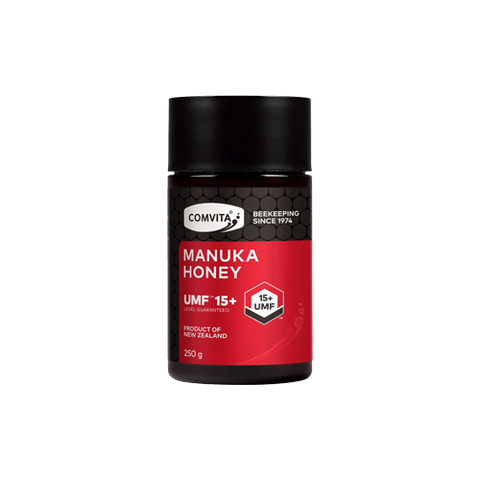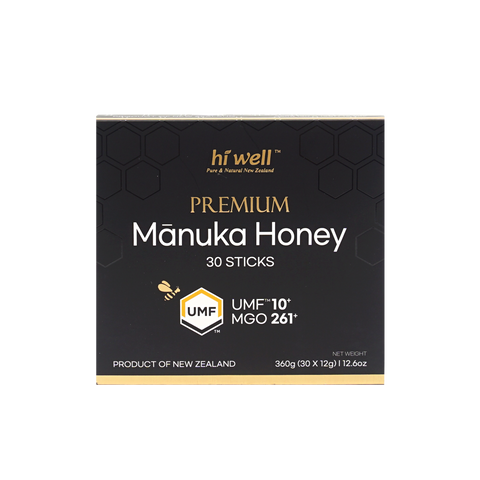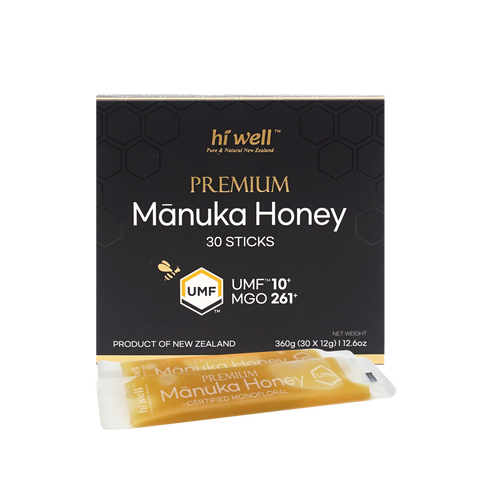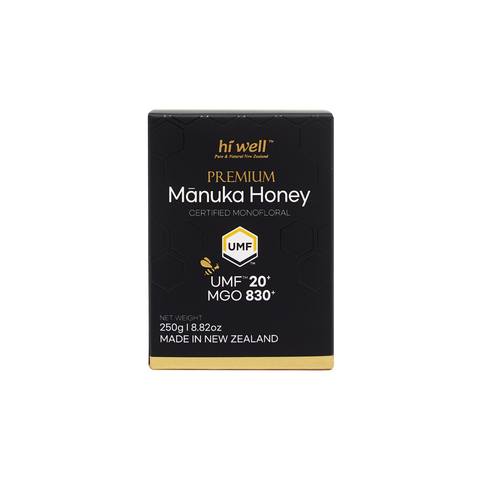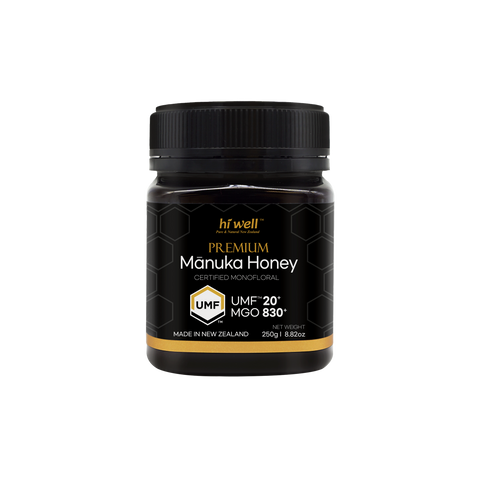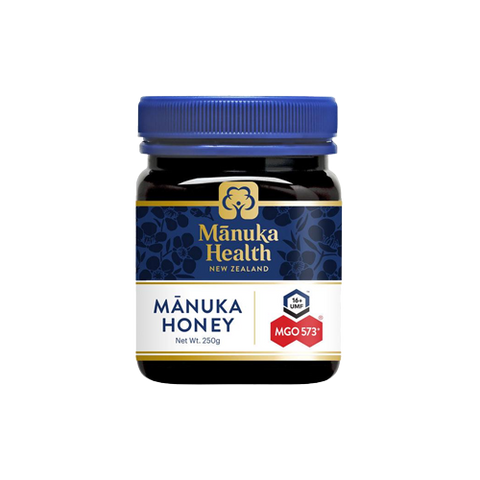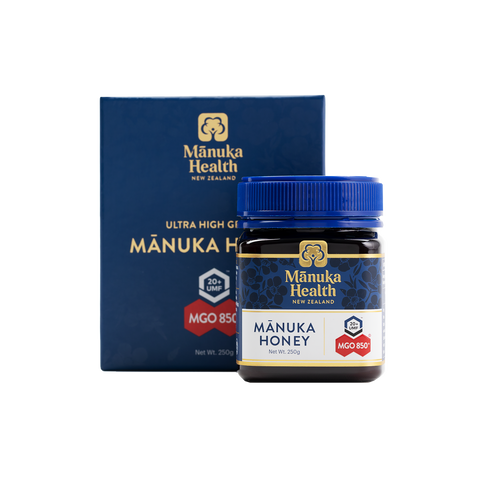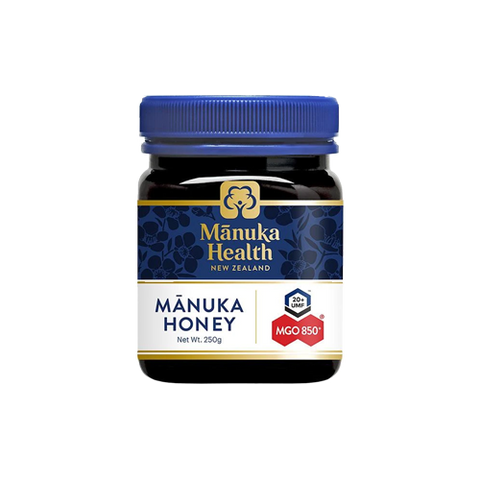

Manuka Honey is one of New Zealand's most well-known natural products, but many customers are confused by the numbers and ratings displayed on different jars. You may have seen labels such as UMF™ 10+, UMF™ 20+, MGO 263+, or MGO 850+ and wondered what they actually mean.
Understanding these ratings can help you compare Manuka Honey products more clearly and choose a jar that suits your taste, budget, and everyday routine.
What Is UMF?
UMF stands for Unique Manuka Factor. It is a quality grading system managed by the Unique Mānuka Factor Honey Association in New Zealand.
The UMF™ grading system measures several naturally occurring signature compounds found in genuine New Zealand Manuka Honey, including:
- Methylglyoxal (MGO)
- Leptosperin
- Dihydroxyacetone (DHA)
- Hydroxymethylfurfural (HMF)
Products carrying the UMF™ trademark are tested and certified to help verify authenticity, quality, freshness, and rating accuracy.
In simple terms, the higher the UMF number, the higher the measured level of key Manuka Honey markers in that product.
What Is MGO?
MGO stands for Methylglyoxal, one of the naturally occurring compounds found in Manuka Honey. MGO is measured directly in milligrams per kilogram (mg/kg).
The higher the MGO number, the greater the measured MGO concentration in the honey. Many brands use MGO as their primary rating system because it provides a simple numerical measurement that is easy to compare across products.

UMF vs MGO: What Is the Difference?
The main difference is that UMF™ is a broader grading system, while MGO focuses on one specific compound.
| Rating System | What It Measures | Best For |
|---|---|---|
| UMF™ | Multiple Manuka Honey markers including MGO, Leptosperin, DHA, and HMF | Customers who want a wider quality and authenticity grading system |
| MGO | The methylglyoxal level in mg/kg | Customers who want a simple number-based comparison |
Both systems can be useful. UMF™ gives a broader picture of Manuka Honey quality markers, while MGO makes it easy to compare the methylglyoxal level between different jars.
Which Manuka Honey Rating Should You Choose?
The right Manuka Honey rating depends on how you plan to use it and what kind of product you prefer.
Lower to mid-range ratings such as UMF™ 5+ to UMF™ 10+ are often popular for everyday use, gifting, or adding natural sweetness to drinks and foods. Higher ratings such as UMF™ 15+, UMF™ 20+, and above are usually positioned as more premium options due to their higher measured Manuka marker levels.
If you are comparing products, check both the rating and the jar size. A higher UMF or MGO number usually comes at a higher price, so it is worth comparing the rating, weight, brand, and intended use before purchasing.
How to Read a Manuka Honey Label
When shopping for Manuka Honey, look for clear rating information on the label. A product may show a UMF™ rating, an MGO rating, or both.
You may also want to check:
- The country of origin
- The honey weight or pack size
- The brand and certification details
- Whether the product is a jar, sachet, stick, or lozenge format
- The best-before date and storage instructions
For New Zealand Manuka Honey, authenticity and testing are important because customers often compare products based on rating strength, origin, and quality indicators.
Further Reading
For customers who would like to learn more, this review article discusses Manuka Honey analysis, authenticity approaches, and naturally occurring compounds such as MGO, DHA, and Leptosperin: Manuka Honey analysis and authenticity review on PubMed.
Popular Manuka Honey Options at Health NZ
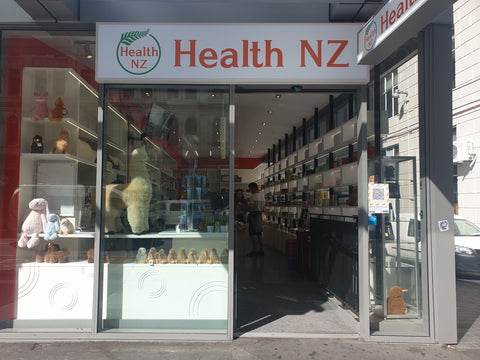
Health NZ offers a range of Manuka Honey products, including UMF-rated and MGO-rated options from well-known New Zealand brands.
Customers looking for an everyday Manuka Honey may prefer lower to mid-range ratings, while those browsing for premium gifting or higher-rated selections may choose products with stronger UMF or MGO numbers.
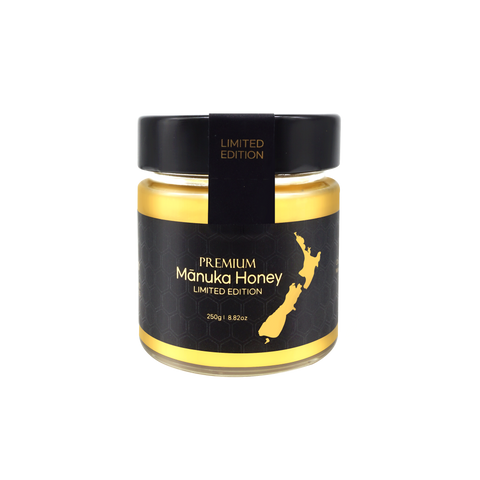
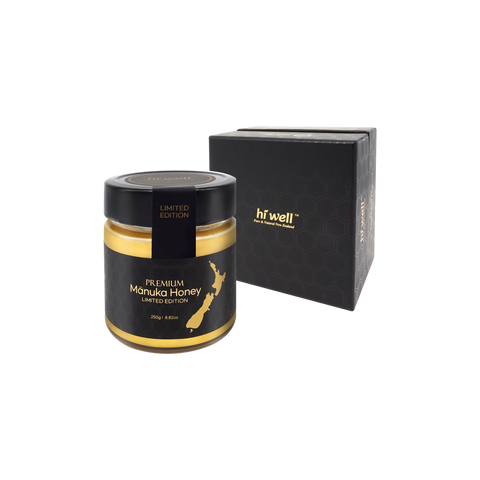
Health NZ also carries Hi Well Manuka Honey, including premium New Zealand Manuka Honey options across different UMF and MGO levels.